
Properties in Dubai
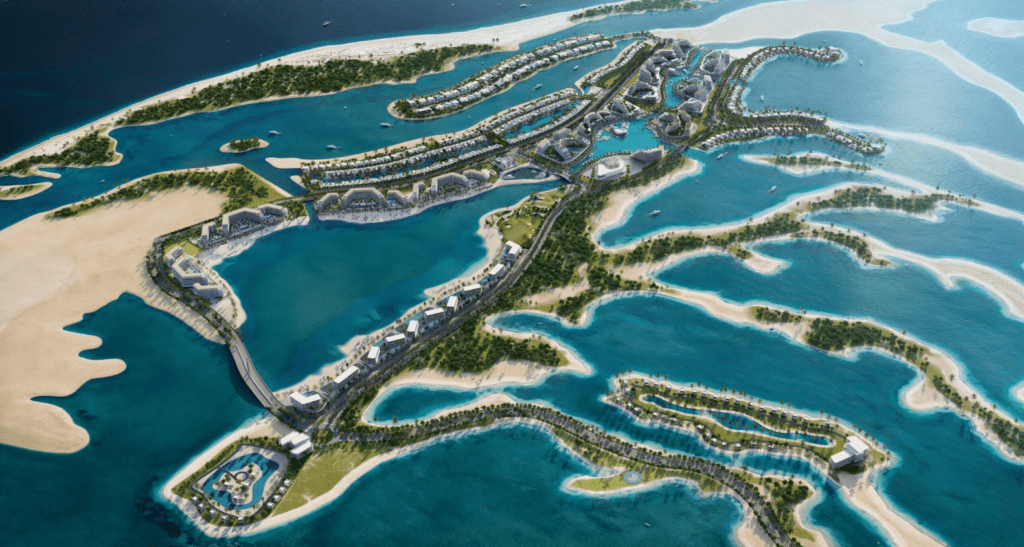
Siniya Island
UMM AL QUWAIN
1, 2 , 3
BEDROOM APARTMENTS
FROM AED 1.1 MLN
PER APARTMENT
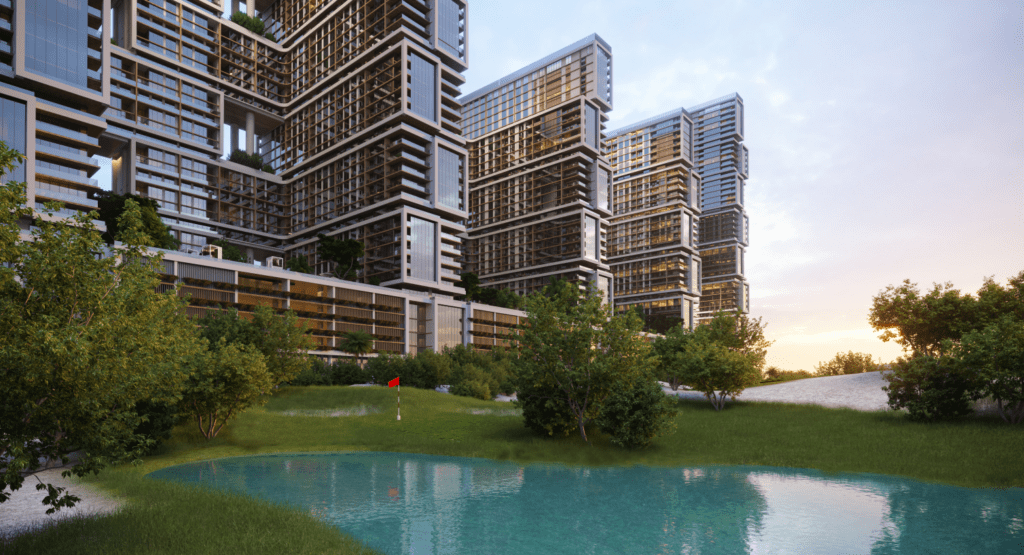
RAS AL KHOR
DUBAI
1, 2, 3, 4
BEDROOM APARTMENTS
FROM AED 1.6 MLN
PER APARTMENT
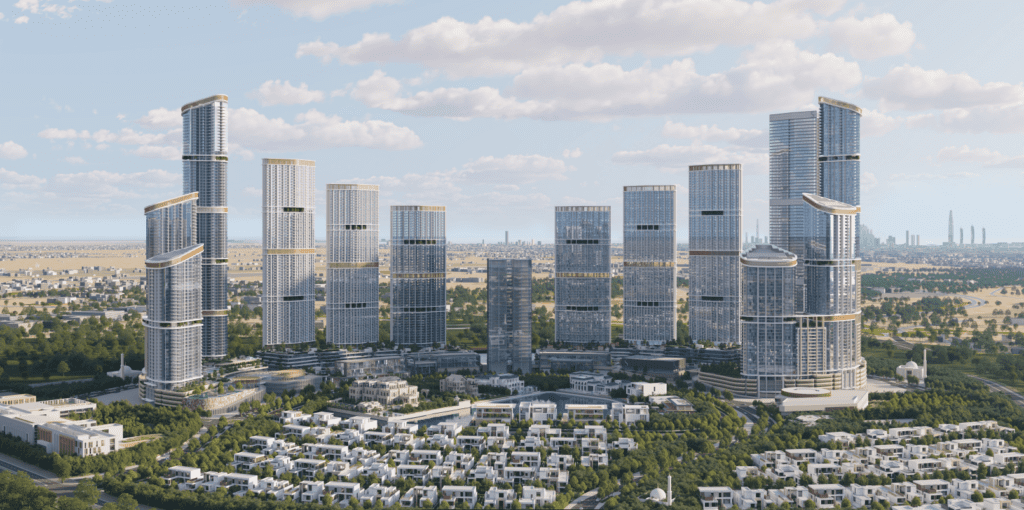
NAD AL SHEBA 1
DUBAI
1, 1.5 , 2 , 2.5 , 3
BEDROOM APARTMENTS
FROM AED 1.5 MLN
PER APARTMENT
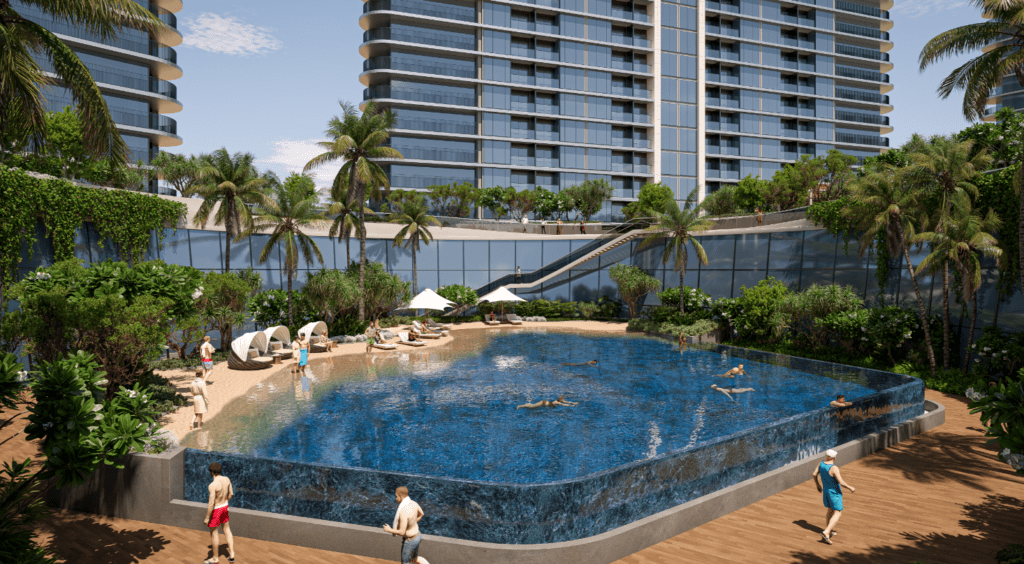
Motor City
DUBAI
1, 2, 3
BEDROOM APARTMENTS
FROM AED 1 MLN
PER APARTMENT
Properties in Dubai – a comprehensive investment and residential guide
Dubai, one of the world’s most dynamic cities, continues to attract investors and new residents with its unparalleled infrastructure, investor-friendly regulations, and luxurious residential projects. This guide covers everything you need to know about Dubai’s real estate market, from key locations, costs, and regulations to investment tips and answers to frequently asked questions.
Analysis of regional trends in Dubai's real estate market
Dubai is a city of diverse neighborhoods, each attracting different groups of investors and residents. Every location offers unique advantages worth analyzing in the context of current trends.
Deira and Bur Dubai – the traditional city center
While investor attention often focuses on modern areas like Downtown Dubai and Dubai Marina, older neighborhoods such as Deira and Bur Dubai present interesting opportunities:
- Price stability: Compared to newer districts, prices are more predictable, appealing to conservative investors.
- Rental demand: A large number of expatriates working in Dubai seek affordable housing in these areas.
- Infrastructure development: New metro lines and the renovation of older buildings are increasing the appeal of these neighborhoods.
Dubai Creek Harbour – the city’s new icon
Dubai Creek Harbour is emerging as an alternative to Downtown Dubai, offering luxury apartments with views of the city’s new landmark – the Dubai Creek Tower. Key aspects include:
- Sustainable solutions: Dubai Creek Harbour emphasizes sustainable development and green spaces, aligning with global trends.
- Competitive prices: Despite its luxurious appeal, property prices in this location are lower than in Downtown, attracting investors seeking high returns.
Al Quoz and Al Barsha – evolving industrial-residential districts
Once known primarily as industrial hubs, Al Quoz and Al Barsha are undergoing rapid transformations:
- Urban redevelopment: The construction of modern apartment buildings and the development of shopping centers like Mall of the Emirates are driving property value growth.
- Rising demand for commercial spaces: An increasing number of businesses are choosing these areas for office spaces, fueling the growth of the commercial real estate market.
Demographic analysis of property buyers in Dubai
Investors from Asia and the Middle East
In recent years, there has been a significant increase in buyers from India, Pakistan, China, and Gulf Cooperation Council (GCC) countries. Key reasons include:
- Geographic proximity: Dubai’s accessibility from these countries facilitates investment.
- Lack of language barriers: The widespread use of English in Dubai makes transactions smoother.
Europeans and Americans
An increasing number of investors are coming from European countries and the USA, attracted by:
- Political stability: Dubai is perceived as a safe haven amid geopolitical uncertainties.
- Higher returns than in developed markets: Return on investment (ROI) in Dubai often doubles that of cities like London or Paris.
Wealthy residents and ultra-wealthy investors
The growing number of High Net Worth Individuals (HNWIs) and Ultra High Net Worth Individuals (UHNWs) investing in Dubai is driven by:
- Expansion of the luxury segment: Villas on Palm Jumeirah and apartments in Atlantis The Royal provide ideal homes for the affluent.
- Privacy and security: Dubai offers luxurious enclaves with exceptional privacy, attracting the financial elite.
What types of properties does Dubai offer?
Apartments
Apartments dominate the real estate market in Dubai, available in various styles—from studios to spacious penthouses. Popular locations include:
- Downtown Dubai: Perfect for those who want to be close to the iconic Burj Khalifa.
- Dubai Marina: A vibrant district offering stunning views of water canals.
Villas and residences
Villas in Dubai are an excellent choice for families or individuals seeking privacy. Top locations include:
- Palm Jumeirah: Unique properties located on an iconic artificial island.
- Arabian Ranches: Ideal for families, offering green spaces and tranquility.
Off-plan investment projects
Purchasing properties under construction allows buyers to benefit from lower prices and flexible payment plans. The most popular projects include Sobha One and Sobha Solis.
Comparing Dubai's real estate market with other global metropolises
Dubai stands out among cities like London, New York, and Hong Kong in several key aspects:
Affordability
While Dubai offers luxurious developments, the price per square meter for premium properties is significantly lower than in London or Hong Kong.
Political and economic stability
Unlike many other cities, Dubai’s market is characterized by stability, avoiding sharp price drops even during global crises.
Tax-free environment
In Hong Kong and New York, investors face substantial capital gains taxes. Dubai’s absence of such taxes is a major draw for international investors.
Luxury and accessibility
Dubai offers not just premium properties but also a rich infrastructure, including world-class dining, entertainment hubs, and pristine beaches.
Real estate market outlook in Dubai through 2030
Expansion of the luxury segment
Forecasts suggest continued growth in the luxury sector. Projects like Atlantis The Royal Residences and Bulgari Lighthouse are expected to attract ultra-wealthy investors, enhancing Dubai’s prestige on the global stage.
Development of green infrastructure
Sustainable construction is becoming a cornerstone of Dubai’s strategy. The government is promoting investments in eco-friendly projects, appealing to environmentally conscious investors. Examples include Sustainable City and The Heart of Europe on The World Islands.
Increasing prominence of off-plan properties
Developers are offering more flexible payment plans, making the off-plan market more accessible to investors with limited initial capital. This segment is expected to grow, particularly in areas like MBR City and Dubai South.
Property maintenance costs in Dubai
Service charges
Annual service fees range from 15 to 40 AED per square meter, depending on the type and location of the property.
Utilities
Costs for water, electricity, and gas are relatively low, particularly in modern energy-efficient buildings.
Insurance
Although not mandatory, purchasing property insurance is highly recommended, costing approximately 1,000–2,500 AED annually.
Property management fees
Owners of investment properties often hire property management companies, which charge 5–10% of the annual rental income.
Step-by-step guide to buying property in Dubai
1. Budget analysis
Before purchasing, evaluate your budget, including additional expenses such as:
- Registration fees: 4% of the property’s value.
- Agency fees: 2–4%.
- Legal costs: 5,000–10,000 AED.
2. Choosing the type of property
The decision to invest in an apartment, villa, or off-plan project depends on your investment goals:
- Apartments: Ideal for short-term rentals.
- Villas: Provide higher long-term capital appreciation.
3. Securing financing
For those seeking a mortgage, Dubai’s banks offer favorable terms:
- Maximum loan-to-value (LTV): Up to 75% for expats.
- Interest rates: Starting from 3% annually.
4. Finding a trusted agent
A professional real estate agency in Dubai will assist you in selecting the right property and navigating the paperwork, significantly reducing the time and effort required.
Unique benefits of investing in properties in Dubai
1. Favorable tax policy
Dubai does not impose income taxes or property taxes, allowing investors to enjoy full profits from rental income and property value appreciation.
2. High return on investment
The average rental yield in Dubai ranges from 6% to 8%, with some locations offering even higher returns. In comparison, major cities like London or New York typically offer returns of around 3–4%.
3. Economic and political stability
The United Arab Emirates is one of the most stable countries in the region. Dubai, as a global hub for trade and tourism, offers investors a sense of security and predictability.
4. Dynamic real estate market
Dubai’s real estate market continues to grow, with new projects attracting investors worldwide. In 2024, Dubai saw record-breaking real estate transactions, including the sale of luxury residences.
5. Exposure to tourism
Dubai is one of the most visited cities globally, making investments in short-term and vacation rental properties particularly profitable.
Commercial real estate in Dubai – future potential
The commercial real estate sector in Dubai is developing alongside the residential market, offering equally attractive investment opportunities:
Dynamic growth of the tech sector
The increase in start-ups and tech companies drives demand for modern office spaces:
- Dubai Internet City and Dubai Silicon Oasis: These special zones attract both international corporations and local tech businesses.
- Co-working spaces and flexible office solutions: The rise in flexible working models increases demand for flexible office spaces.
Growth of the retail sector
As a global retail hub, Dubai continues to expand its offerings:
- New shopping malls: The expansion of Dubai Mall and the opening of new locations like Meydan One Mall attract investors seeking commercial properties.
- Warehouse demand: The growth of e-commerce generates a rising need for warehouse spaces in areas like Jebel Ali.
The process of purchasing property in Dubai
Buying property in Dubai is simpler than it may seem, especially thanks to transparent regulations. Here are the key steps:
1. Choosing a property and location
Before making a purchase, it is important to decide whether the property will serve as an investment or a residence. Dubai offers a variety of locations, from vibrant districts to peaceful neighborhoods.
2. Signing a preliminary agreement
The Memorandum of Understanding (MOU) outlines the terms of the transaction. A deposit of 10% of the property’s value is standard.
3. Transaction registration
The purchase must be registered with the Dubai Land Department (DLD), and a 4% registration fee of the property’s value is to be paid.
4. Finalizing the purchase
After the full payment is made, the buyer receives the Title Deed, confirming ownership.
Trends and forecasts for the real estate market in Dubai
1. Growth in sustainable real estate investments
Dubai promotes eco-friendly construction, which increases the value of environmentally friendly projects.
2. Development of luxury real estate
Record-breaking transactions in 2024 confirm the growing demand for luxury villas and apartments.
3. Rising demand for co-living properties
Young professionals and expats are increasingly choosing shared living spaces, creating new investment opportunities.
Analysis of the Dubai real estate market in 2024
In 2024, the Dubai real estate market is on an upward trajectory, driven by strong economic fundamentals, favorable regulations, and an influx of foreign investors. Below is a detailed analysis of key aspects of the market:
1. Property price increase
In recent years, Dubai has experienced a steady increase in property prices, with 2024 showing an average year-on-year growth of 10-15% in selected locations, such as Downtown Dubai and Palm Jumeirah. Key factors for this growth include:
- High demand for luxury properties: Wealthy investors from Europe, Asia, and Russia contribute to the dynamic price growth in the premium segment.
- Limited supply in top locations: While Dubai continuously develops new projects, prestigious areas like Palm Jumeirah have limited space, driving up property values.
2. Investment profitability
One of the most important indicators for investors is ROI (Return on Investment). Dubai offers some of the highest rental returns globally:
- Apartments in central locations, such as Dubai Marina, generate an ROI of 6-8%.
- Villas in luxury neighborhoods like Emirates Hills offer returns of 4-6%, but their market value appreciates faster than that of apartments.
3. Comparative analysis with other markets
When comparing Dubai with global metropolises like London, Hong Kong, or New York, Dubai’s real estate market stands out in several ways:
- Affordability: The price per square meter in Dubai is often half that of London or New York, with comparable living standards.
- Investor-friendly regulations: Unlike Hong Kong, where foreigners face high property taxes, Dubai allows property purchases without additional fiscal burdens.
4. The growing role of technology in real estate
Dubai, as one of the most technologically advanced cities in the world, is introducing innovative solutions in the real estate sector:
- Blockchain-based transactions: The Dubai Land Department (DLD) is implementing blockchain technology to enhance transparency and security in property transactions.
- Smart property management: New buildings offer smart home solutions, making them more attractive to buyers and tenants.
Prospects for the Dubai properties market development by 2030
1. Downtown Dubai – The icon of modernity
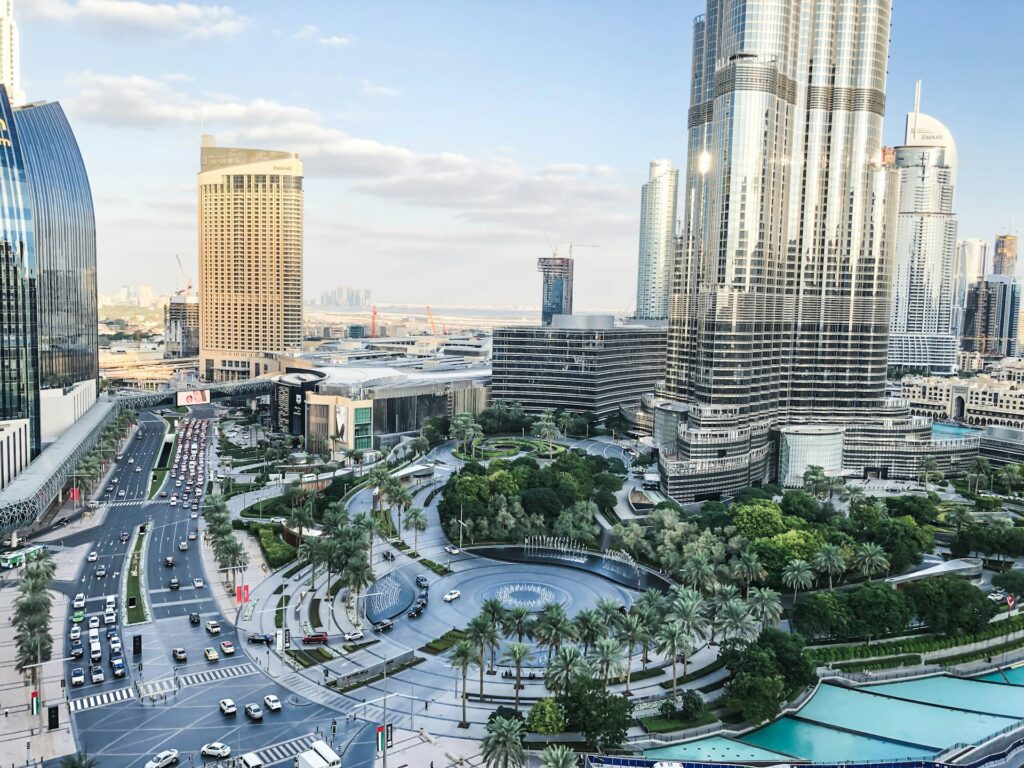
Downtown Dubai remains one of the most important and prestigious areas on the map of Dubai, home to landmarks like Burj Khalifa, Dubai Mall, and other key structures.
- Price Growth: Property prices in this area are increasing rapidly due to sustained high demand for luxury apartments.
- Attractiveness for Investors: Downtown is primarily a premium property market, attracting investors seeking stability and high rental returns.
- Short-Term Rental Trend: As one of the top tourist destinations, Downtown drives demand for short-term rentals, particularly during the tourist season.
2. Dubai Marina – The Heart of Urban Life
Dubai Marina is one of the most popular neighborhoods for both investors and residents, known for its vibrant city life, luxury restaurants, and waterfront access.
- Popularity Among Expats: This district is a top choice for expatriates, particularly younger professionals.
- Property Prices: While prices in Dubai Marina have risen, they remain competitive compared to other luxury districts like Palm Jumeirah.
- Rentals and Investment: The high rental yield and strong demand from tourists and expats ensure that property investments in this area continue to be lucrative.
3. Palm Jumeirah – Luxury within reach
Palm Jumeirah, the world’s most famous artificial island, offers exclusive villas and apartments in one of the most prestigious locations in Dubai.
- Gated Communities: Villas on Palm Jumeirah are highly sought after by affluent investors seeking privacy and luxury.
- Property Prices: Property prices in this area are among the highest in Dubai. However, due to the limited supply and prestige of the location, these properties remain attractive for long-term investment.
- Investments in Luxury Projects: New developments, such as Atlantis The Royal Residences, continue to draw investors looking for top-tier real estate.
4. Jumeirah Village Circle (JVC) – A modern family neighborhood
Jumeirah Village Circle (JVC) has gained popularity, offering apartments, villas, and spacious flats at more affordable prices.
- Family Appeal: JVC is an ideal place for families, offering numerous parks, schools, and close proximity to shopping centers.
- Property Prices: Although prices are lower than in high-end areas like Downtown or Palm Jumeirah, JVC offers great value for money.
- Increasing Demand: Demand for property in JVC continues to rise year after year, with the district becoming more developed, featuring new residential and commercial projects.
5. Dubai Hills Estate – High quality of life in the heart of the City
Dubai Hills Estate is a sprawling community gaining attention for its exceptional location, proximity to central Dubai, and luxury developments.
- Diverse Property Offerings: The area offers everything from luxury villas to spacious apartments, with properties ideal for both investment and rental purposes.
- Excellent Infrastructure: Dubai Hills Estate provides not only high-quality real estate but also numerous amenities, including schools, shopping centers, medical facilities, and golf courses.
- Development Potential: Dubai Hills Estate is one of the most dynamic development projects in Dubai, attracting both foreign and local investors.
6. Al Furjan – Transformation in a traditional location
Al Furjan has undergone significant transformation in recent years, emerging as one of the most important areas in Dubai’s real estate market.
- Middle-Class Housing: Al Furjan offers competitive pricing compared to more prestigious locations, making it attractive for people seeking affordable housing in Dubai.
- Infrastructure Investments: The area is seeing infrastructure development, including new schools, shopping malls, and public transport, which enhances its appeal.
- Property Value Growth: Due to rising demand and infrastructure development, property prices in Al Furjan are increasing, making it an appealing option for investors looking for properties with high growth potential.
7. Al Wasl – Old Dubai with a modern twist
Al Wasl blends tradition with modernity. While it’s not among the most luxurious neighborhoods, its central location and investment opportunities are increasingly attracting attention.
- Multicultural Atmosphere: Al Wasl is a place where tradition meets modernity, attracting investors from around the world.
- Property Prices: Property prices in Al Wasl are significantly lower than in more upscale areas, making it an attractive option for those seeking more affordable properties in central Dubai.
- Increased Infrastructure Investment: The district is gaining prominence due to infrastructure development, including new apartment buildings and office spaces.
The Dubai real estate market is poised for continued growth and development over the next decade. Areas like Downtown Dubai, Palm Jumeirah, and Dubai Marina will remain prime investment locations, with demand driven by luxury, tourism, and expatriate living. Meanwhile, emerging neighborhoods such as JVC, Dubai Hills Estate, and Al Furjan will see significant growth due to their affordability, family-friendly amenities, and increasing infrastructure investments. With these factors in mind, Dubai is expected to remain one of the most attractive real estate markets globally by 2030.