

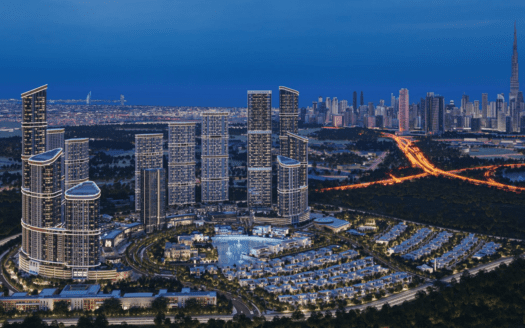
Dubai has become a global hotspot for real estate investment, attracting individuals from around the world seeking to purchase property in this dynamic city. Known for its luxury, modern infrastructure, and business-friendly environment, Dubai offers a range of opportunities for foreign investors. But can a foreign national buy property in Dubai? The short answer is yes. However, there are several key considerations, regulations, and processes that need to be understood before making an investment. In this comprehensive guide, we will explore the ins and outs of purchasing property in Dubai as a foreigner.
1. Understanding Freehold vs. Leasehold Areas
One of the first things to know about buying property in Dubai as a foreign national is the distinction between freehold and leasehold areas.
Freehold Areas: These are specific areas designated by the Dubai government where foreign nationals can purchase property outright, with full ownership rights. This includes many popular districts such as Downtown Dubai, Palm Jumeirah, Dubai Marina, and Business Bay.
Leasehold Areas: In contrast, leasehold areas are regions where foreigners can lease property for a set number of years (usually 99 years) but cannot own the land. This type of agreement grants long-term rights to the property but does not transfer full ownership.
2. Legal framework for foreign property ownership
The legal framework for real estate ownership in Dubai is robust and designed to protect investors. In 2002, the government passed the Freehold Property Law, which allowed foreign nationals to buy, sell, and lease property in designated freehold areas. This law provides legal protection and security for foreign buyers, making Dubai one of the most attractive property markets globally.
Key Legal Aspects:
Ownership of Freehold Property: Foreigners can own property without restrictions in freehold areas, either as individuals or through companies.
Registration with DLD: All property transactions must be registered with the Dubai Land Department (DLD), the governmental body responsible for overseeing real estate transactions. This ensures that ownership is legally documented.
Inheritance: Property owned by foreign nationals in Dubai can be inherited, with legal procedures in place to ensure that assets are passed on to heirs.
3. Types of property available for foreign buyers
Foreign nationals have access to a wide variety of property types in Dubai, including:
Residential Apartments: Ideal for individuals and families, these are available in high-demand areas such as Dubai Marina, Jumeirah Beach Residence (JBR), and Downtown Dubai.
Villas: These are larger, standalone properties often located in gated communities, offering luxury living. Popular villa communities include Arabian Ranches, Palm Jumeirah, and Emirates Hills.
Commercial Properties: Foreigners can also invest in commercial real estate, such as office spaces, retail outlets, and warehouses.
Off-Plan Properties: Dubai is known for its large-scale real estate developments, and foreign investors can purchase off-plan properties, which are properties that are still under construction. This can be an attractive option due to lower initial costs and flexible payment plans.
4. Financing and mortgages for foreign investors
While many foreign investors choose to buy property in Dubai with cash, financing options are also available. Several banks in the UAE offer mortgage loans to non-residents, although the terms and conditions may vary based on the buyer’s nationality and the value of the property.
Key Points to Consider:
Down Payment: For non-residents, the required down payment is typically higher than for UAE residents. Foreign buyers are generally required to provide a down payment of at least 20-25% of the property’s value.
Loan Duration and Interest Rates: Mortgage loans are typically available for up to 25 years, with interest rates varying depending on the lender and the buyer’s financial profile. It is advisable to compare offers from different banks to secure the best terms.
Eligibility Criteria: Lenders will assess your income, employment history, and financial standing before approving a mortgage. Some banks may also require you to have a UAE bank account.
5. Fees and costs associated with buying property in Dubai
Purchasing property in Dubai involves several fees beyond the purchase price. It is important for foreign buyers to budget for these additional costs:
Dubai Land Department (DLD) Fee: This is a registration fee amounting to 4% of the property’s purchase price. It is paid at the time of registration with the DLD.
Agency Fees: If you work with a real estate agent, you will typically be required to pay an agency fee, which is usually 2% of the property value.
Transfer Fees: Transfer fees are paid to the DLD when ownership is transferred, and they typically range from AED 2,000 to AED 5,000, depending on the property’s value.
Maintenance Fees: If you are buying an apartment or villa within a community, there will be annual maintenance fees, which vary depending on the development.
6. Benefits of buying property in Dubai
Investing in Dubai real estate offers several benefits for foreign nationals, including:
High Rental Yields: Dubai consistently offers some of the highest rental yields globally, with returns ranging between 5-9% depending on the property type and location.
No Property Taxes: One of the most attractive features of the Dubai real estate market is the absence of property taxes. Once you purchase a property, you are not required to pay annual property taxes, which significantly reduces long-term ownership costs.
Residency Visa: By investing in property in Dubai, foreign nationals can qualify for a residency visa. For properties worth over AED 750,000, investors are eligible for a renewable 3-year residency visa, while properties worth over AED 2 million can qualify investors for a 10-year Golden Visa.
World-Class Infrastructure: Dubai’s infrastructure is second to none, with state-of-the-art facilities, excellent transport links, and a thriving business environment. Whether you are buying for personal use or investment purposes, owning property in Dubai ensures access to one of the world’s most advanced cities.
Can a foreign national buy property in Dubai? Conclusion
Yes, a foreign national can buy property in Dubai, and the city offers a wide range of opportunities for investors seeking to enter its booming real estate market. With no property taxes, attractive rental yields, and the possibility of obtaining a residency visa, Dubai stands out as a top destination for real estate investment. However, it is essential to do thorough research, understand the legal framework, and work with experienced professionals to ensure a smooth and successful property purchase. Therefore, we invite you to engage in a professional collaboration with Abilla Real Estate Agency in Dubai.
Whether you are looking for a luxury apartment, a family villa, or a commercial property, Dubai’s real estate market has something to offer everyone.
Latest articles
How much does property cost in Dubai? Market...
Tokenization of real estate – transfor...
Weather in Dubai by month – When is the best...
We will find a property tailored to your needs.
Contact us, and our team of experts and developers will be happy to share their knowledge and experience, providing you with top-quality support.